Cast Iron Cookware in 2026: The Most Sustainable Pan You'll Ever Buy
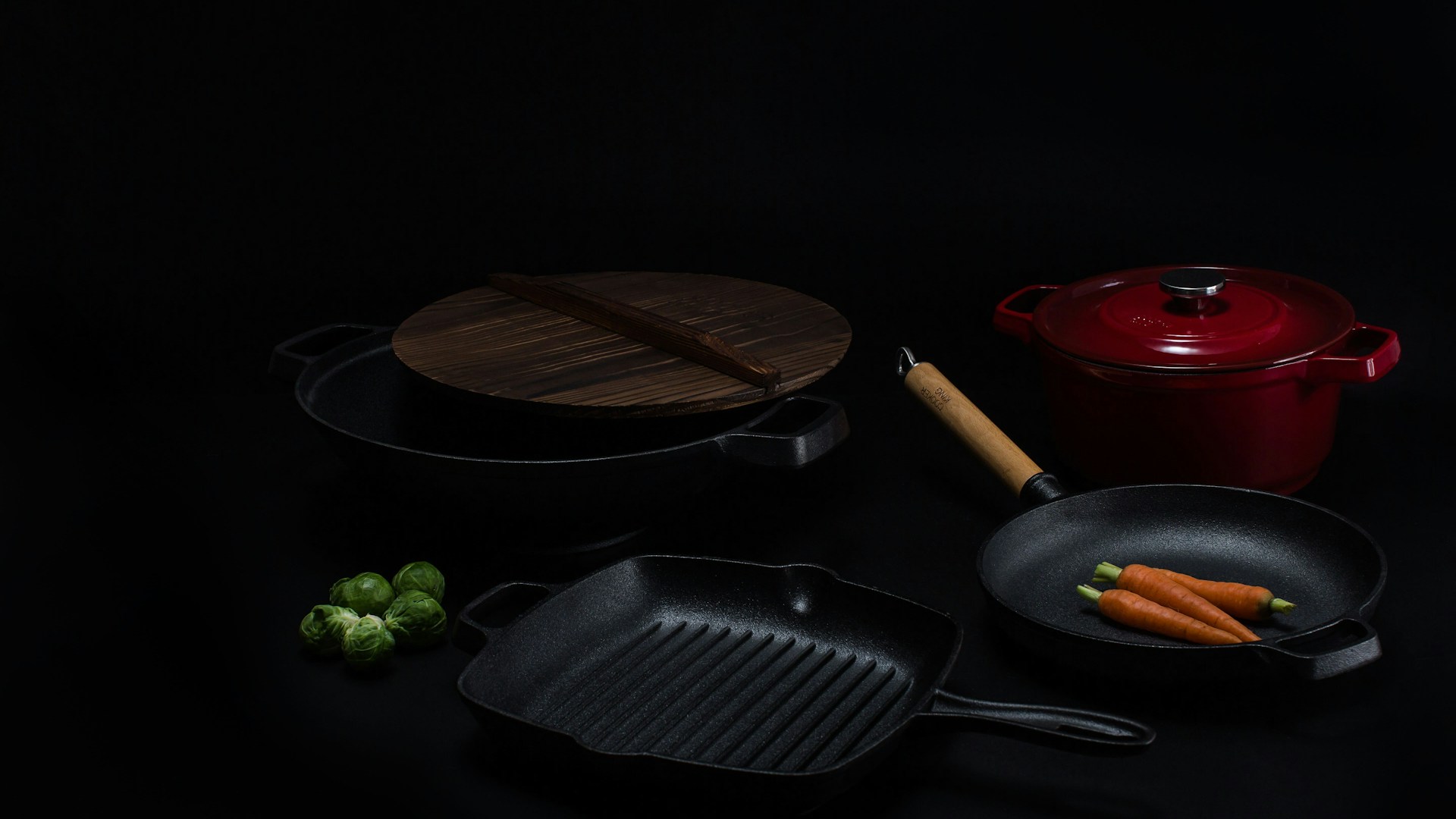
Table of Contents
Every non-stick pan you’ve ever owned had a coating that degraded, chipped, and eventually required replacement. The pan lasted 3–5 years. The coating — PTFE, PFAS compounds, or ceramic — went somewhere when it flaked off. Often that somewhere was your food.
Cast iron doesn’t work this way. A well-maintained cast iron pan doesn’t have a coating to fail. The seasoning (polymerized oil) is part of the metal, applied in layers over years of use. A Lodge skillet purchased today can be used by your grandchildren. Several cast iron skillets are still in active use after 150 years.
This is what genuine sustainability in cookware looks like: not a product with eco-friendly marketing, but a product designed from the beginning to never need replacing.
Why Non-Stick Coatings Are a Problem
The EPA designated PFAS (per- and polyfluoroalkyl substances) — the family of compounds used in most non-stick coatings — as hazardous substances in 2023. “PFAS-free” ceramic coatings, while not the same compounds, have their own durability problems: most ceramic-coated pans lose their non-stick properties within 1–2 years under normal cooking conditions, requiring replacement.
The replacement cycle is the environmental problem. A pan that lasts 3 years and gets replaced costs three times the material and energy input of a pan that lasts 100 years, regardless of what either pan is made from.
[!eco] Cast iron production is energy-intensive, but that energy cost is amortized over a century-scale lifespan. A cast iron pan purchased today will produce roughly 1/30th the lifecycle environmental impact of replacing a non-stick pan every 3 years over the same period.
Pre-Seasoned vs. Raw Cast Iron
All new Lodge cast iron comes pre-seasoned with vegetable oil. The seasoning is functional — you can cook with it immediately — but it’s thin compared to a fully developed season from years of use. Think of it as a starting point, not a finish line.
Raw (unseasoned) cast iron from vintage finds or some specialty manufacturers is cheaper but requires initial seasoning before use. The process is simple: apply a thin coat of oil, bake upside down at 450°F for an hour. Repeat 3–4 times for a good base layer.
The Skillet You Actually Need
For most home cooks, one 10-inch or 12-inch skillet covers 80% of daily cooking. Cast iron is ideal for:
- Searing meat (holds heat exceptionally well)
- Cornbread, frittatas, and oven-finished dishes (seamless oven transfer)
- Pan sauces (the seasoning is impervious to deglazing — unlike non-stick)
- Camping and outdoor cooking (indestructible)
- Bacon, eggs, and breakfast foods (highly seasoned cast iron is effectively non-stick for these)
Cast iron is not ideal for:
- Acidic foods cooked for long periods (tomato sauce, lemon-based dishes) — these strip seasoning and can pick up a metallic taste from bare iron. Use the enameled Dutch oven for these.
- Foods that need very delicate, precise temperature control (hollandaise, tempering chocolate)
- Light daily cooking where lifting a 5–8 lb pan repeatedly is impractical
[!pros]
- No toxic coatings — PFAS-free by design, not by marketing claim
- Indefinite lifespan with basic maintenance
- Improves with age and use
- Works on all heat sources including induction and campfire
- Adds small amount of dietary iron to food (beneficial for iron-deficient individuals)
[!cons]
- Heavy — 10-inch Lodge weighs about 5 lbs; 12-inch is 8+ lbs
- Requires different cleaning habits (no soap on bare iron, immediate drying)
- Slower to heat evenly than stainless or carbon steel
- Cannot go in the dishwasher
Seasoning and Maintenance
The two things that ruin cast iron seasoning: prolonged soap contact and moisture. Neither is actually hard to avoid.
Cleaning after each use:
- While still warm, rinse with hot water and scrub with a stiff brush or a Lodge chain mail scrubber (not a steel wool pad — it removes seasoning)
- For stuck-on food: a tablespoon of coarse salt with a paper towel, scrubbing in a circular motion, lifts almost anything
- Dry immediately — a minute over low heat on the stovetop is sufficient
- Apply a very thin coat of neutral oil (flaxseed, vegetable, or canola) and wipe off the excess with a paper towel until it looks dry
What about soap? Occasional soap use on well-seasoned cast iron is fine. The old rule against soap came from when soap contained lye — modern dish soap doesn’t strip good seasoning. That said, there’s rarely a reason to use it; hot water and a brush handle 99% of cleaning tasks.
Restoring rusty cast iron: Surface rust doesn’t mean a pan is ruined. Scrub with coarse salt and oil, rinse, re-season in the oven. A fully rusted pan can usually be restored in an afternoon.
The Lodge vs. Vintage Question
New Lodge cast iron is the most accessible option — widely available, pre-seasoned, inexpensive ($30–50 for a skillet), and well-manufactured. The cooking surface is rougher than vintage cast iron (a byproduct of modern sand-casting methods vs. the machined surfaces on pre-1950s pans), which means more initial seasoning is needed to develop smoothness.
Vintage cast iron (Griswold, Wagner, old Lodge) has a machined-smooth cooking surface from the factory. It’s often cheaper per unit at estate sales and thrift stores than new Lodge, and the cooking performance is superior once seasoned. The tradeoff: you need to evaluate condition and authenticity, and restoration may be needed.
If you want the best performing cast iron available new, Finex pans are ground smooth at the factory — you get vintage-quality surface on a new pan.
The Bottom Line
Cast iron is the most sustainable cookware choice because it’s the only cookware choice you make once. A $35 Lodge skillet, properly maintained, will outlast every other pan you ever buy. The initial learning curve — drying immediately, periodic re-oiling, different cleaning habits — takes about a week to become automatic. After that, it’s the least-maintenance cookware in any kitchen.
Recommended Products

Lodge 12-Inch Cast Iron Skillet
Made in USAThe standard American cast iron skillet. Pre-seasoned with vegetable oil. Works on all heat sources including induction. Foundry in South Pittsburg, Tennessee since 1896.

Finex 10-Inch Cast Iron Skillet
Premium PickPolished cooking surface (smoother than Lodge out of box), octagonal shape with 8 pouring spouts, coiled stainless handle that cools faster. Portland, Oregon-made.

Lodge Cast Iron Dutch Oven 5-Quart
Best VersatilityEnameled interior for acid-safe cooking (tomatoes, wine, citrus). Self-basting lid. Dual-use as a bread baking vessel and braising pot.