Bamboo Toothbrush Guide 2026: What to Know Before You Switch

Table of Contents
A billion toothbrushes end up in landfill in the United States every year. They’re almost all plastic — polypropylene handles, nylon bristles — and they’re not recyclable through standard municipal programs. Each one persists for roughly 400 years.
Bamboo toothbrushes address the handle problem directly. The bamboo itself is biodegradable. The bristles, in most cases, are not — and this is the detail that most buyers miss. But even with nylon bristles that need separate disposal, a bamboo toothbrush is still dramatically better than a conventional plastic one: 90% of the material by weight biodegrades.
The Bristle Situation
This is the most important thing to understand before buying: most bamboo toothbrush bristles are nylon.
Standard nylon bristles (what conventional toothbrushes use) are petroleum-derived and not biodegradable. When a bamboo toothbrush company says their bristles are “BPA-free nylon,” they mean the bristles are the same material as most conventional toothbrushes — just without one specific additive.
For the handle: fully biodegradable, compostable in a home compost pile if you pull the bristles first.
For the bristles: pull them out with pliers before composting the handle. The bristles go in the trash (or, in some areas, through specialized programs that accept small amounts of nylon for recycling).
[!eco] Even with nylon bristles, switching to bamboo removes the polyethylene/polypropylene handle from your waste stream — roughly 90% of the toothbrush’s material by weight. Over a lifetime of toothbrush use (about 300 brushes), that’s approximately 2.5 kg of plastic eliminated.
The exception: plant-based bristles. Brush with Bamboo uses bristles made from castor bean oil — a plant-derived nylon alternative (nylon-4 and nylon-6,10). These bristles biodegrade more readily than conventional nylon. They’re more expensive to produce, which is why only a few brands use them.
Handle Quality: What Varies Between Brands
Not all bamboo handles are the same. What to look for:
Certification: FSC (Forest Stewardship Council) certification means the bamboo was harvested from responsibly managed forests. It’s not required, but brands that pursue it are generally more rigorous about their whole supply chain.
Finish: Bamboo handles are sometimes finished with beeswax or plant-based lacquer to improve moisture resistance. Avoid handles finished with synthetic lacquers — they slow biodegradation and may contain VOCs. Most reputable brands use food-safe, minimal finishes.
Shape: This is more personal than it sounds. If you’ve brushed with a conventional toothbrush for decades, the ergonomics of a bamboo handle feel slightly different — they’re typically more oval in cross-section and slightly lighter. Most people adapt within a week.
[!pros]
- Bamboo handle is compostable (home compost) after bristle removal
- Bamboo is naturally antimicrobial — no additives required
- FSC-certified options support responsible forestry
- Lighter than most plastic handles
[!cons]
- Nylon bristles on most models still require separate disposal
- Bamboo handles can discolor or develop surface mold if stored in a wet, enclosed cup — store upright and dry
- Slightly more expensive per brush ($2–4 vs. $0.50–1.50 for conventional)
Caring for a Bamboo Toothbrush
The main maintenance difference from plastic: bamboo doesn’t like prolonged moisture exposure. The bamboo itself is water-resistant enough for daily tooth brushing, but sitting in a cup of standing water or stored in a closed, humid travel case will cause discoloration and surface mold.
Storage: Upright in an open holder, away from the shower spray. Let the bristles air dry between uses.
Travel: Use a ventilated travel case rather than a sealed one. Bamboo needs airflow.
Lifespan: Same as conventional toothbrushes — replace every 3 months, or when bristles visibly fray. The bamboo itself will look fine longer than the bristles remain effective.
Disposal: The Right Way
- Remove the bristles with needle-nose pliers — takes about 60 seconds.
- Drop the bare handle in a home compost pile or green bin. It will biodegrade within 6 months in active compost.
- The bristles are a small enough volume of nylon that they can go in the trash. If you use Brush with Bamboo’s plant-based bristles, those can be composted too.
Some brands run mail-back programs for bristles. TerraCycle accepts used oral care products (including bristles) through their oral care recycling program in the US and Canada.
Who Should (and Shouldn’t) Switch
Switch if:
- You’re comfortable with slight ergonomic differences from plastic handles
- You’re willing to do the 60-second bristle-removal step at disposal
- You want to meaningfully reduce your bathroom plastic output
Stick with conventional if:
- You have specific oral health needs requiring a particular bristle type or brush head (electric toothbrushes with bamboo-style handles don’t exist yet at this quality level)
- You use a child brush for very young children (under 2) — small children tend to chew handles, and bamboo splinters differently than plastic
The Humble Co. 4-pack is the right starting point for most adults: the ergonomics are closest to conventional brushes, the price is reasonable at $2.50 per brush, and the FSC certification is meaningful. For buyers who want fully plant-based materials, Brush with Bamboo is the cleaner choice despite the higher cost.
Recommended Products
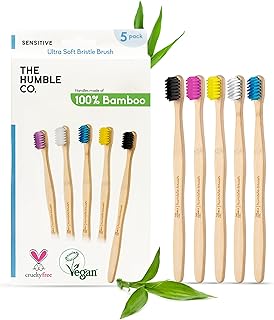
The Humble Co. Bamboo Toothbrush Adult Soft (4-Pack)
FSC CertifiedFSC-certified bamboo handle, BPA-free nylon bristles. Ergonomic handle shape close to conventional toothbrushes — easiest adjustment for first-time switchers.

Brush with Bamboo Bamboo Toothbrush (4-Pack)
Plant-Based BristlesThe only widely available brush with plant-based bristles (castor bean oil). Handle certified USDA Biobased. Higher price point, but fully bio-sourced.
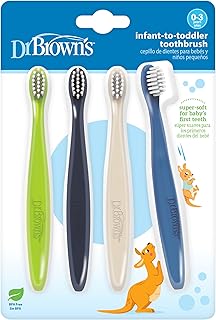
WooBamboo Toothbrush Kids Soft (4-Pack)
B Corp CertifiedSmaller head sized for children. Shorter handle length. Same FSC bamboo construction as adult brushes. B Corp certified manufacturer.