Best Reusable Produce Bags 2026: Replacing Single-Use Plastic at the Grocery Store
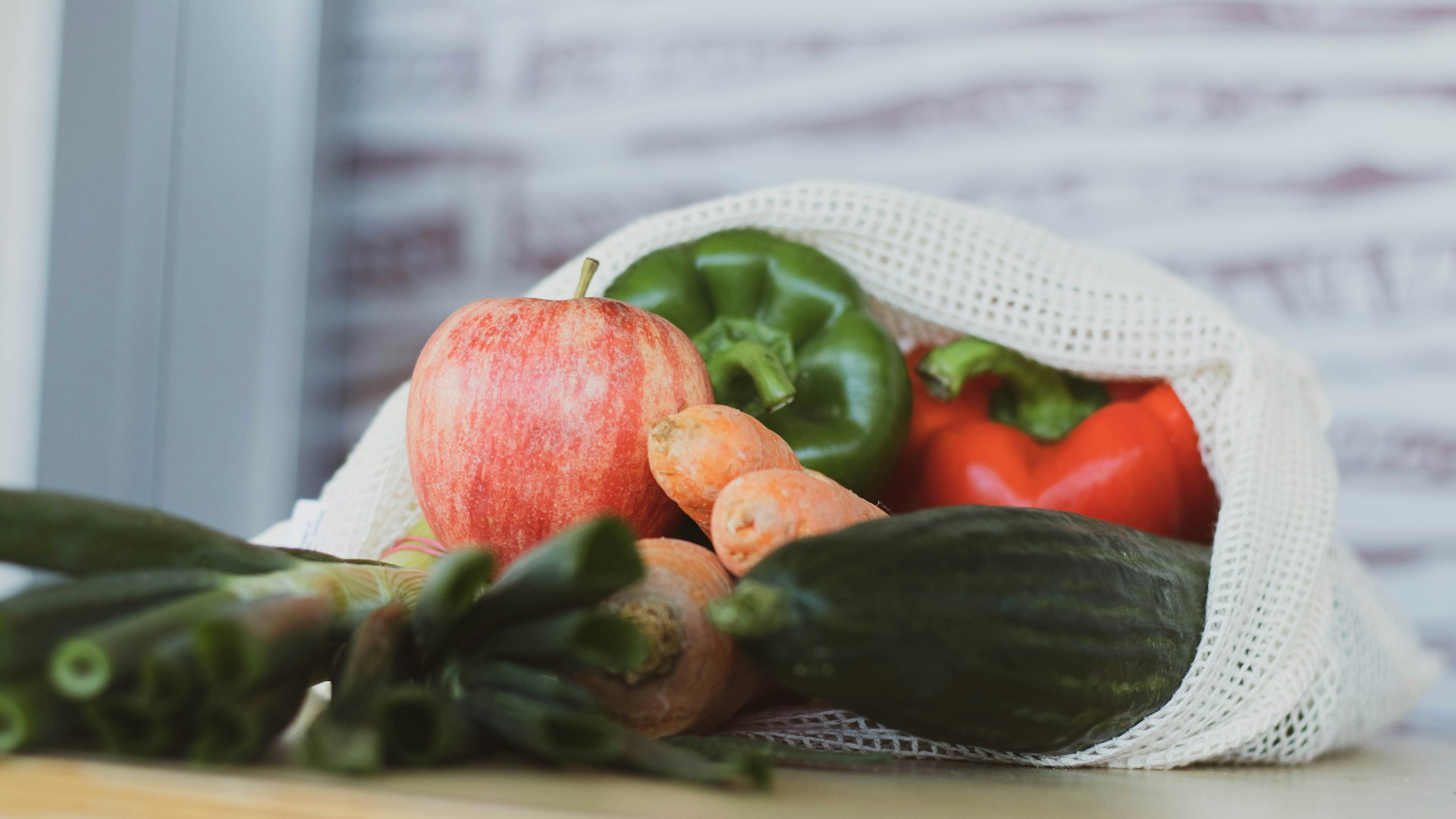
Table of Contents
The plastic produce bag is one of those items that exists mostly out of habit. Grocery stores put them there, so we use them. But most produce doesn’t actually need a bag at all — apples, avocados, bananas, and most root vegetables go directly into the cart just fine. The bag is vestigial.
For produce that actually benefits from containment — cherry tomatoes, green beans, loose mushrooms, bulk nuts — reusable mesh bags solve the problem permanently. A set of 6–9 bags costs $12–20, lasts years with basic care, and weighs almost nothing to carry in your grocery tote.
This guide covers the practical decisions: mesh vs. cotton, how tare weights work at the register, and which bags are actually worth buying.
Do You Need a Bag at All?
Before buying anything: audit what you’re currently bagging.
Items that genuinely need a bag:
- Loose small produce (cherry tomatoes, grapes, berries, green beans)
- Bulk bin items (nuts, dried fruit, legumes, grains)
- Small mushrooms
- Herbs and leafy greens that you want to contain
Items that don’t need a bag:
- Individual apples, pears, citrus, stone fruit
- Avocados, mangoes, melons
- Corn, zucchini, cucumbers, peppers
- Bananas
If you put those items in bags right now, you can immediately stop. No replacement purchase needed.
[!eco] The average American uses 500 plastic produce bags per year. A set of 9 reusable bags used for 3 years prevents 1,500 plastic bags from entering the waste stream. Plastic produce bags are rarely accepted by curbside recycling — they contaminate the stream. Most end up in landfill or waterways.
Mesh vs. Cotton: The Real Tradeoffs
Mesh bags (polyester or nylon):
- Very lightweight (often under 10g) — minimal impact on produce pricing by weight
- Transparent — cashiers can see the contents without opening the bag
- Quick-drying — rinse and hang; ready in minutes
- Not biodegradable at end of life (but durable enough to last years before disposal)
Organic cotton muslin bags:
- Fully biodegradable — can be composted at end of life
- Better for dry bulk goods (mesh lets small items fall through)
- Heavier (30–50g) — can affect pricing at scales that charge by the bag + content weight
- Slower to dry — needs more air circulation
For most grocery shopping, mesh is more practical. For farmers market bulk bins or truly zero-waste use, organic cotton makes more sense because it’s compostable at end of life.
The Tare Weight Question
Some stores will weigh and deduct the tare (empty weight) of your bag at checkout; most won’t. Mesh bags typically weigh 8–12 grams — the equivalent of about half a cherry tomato. For most purchases, this is negligible. For high-volume bulk buying (several pounds of nuts or grains), it starts to matter.
The Earthwise bags have the tare weight printed on the label, which is genuinely useful at stores that accommodate tare deductions.
[!pros]
- Eliminates hundreds of single-use plastic bags per year per household
- Transparent mesh bags require no special cashier handling
- Machine washable (mesh bags, cold water, mesh laundry bag to prevent snags)
- Last 3–5+ years with normal use
[!cons]
- Very fine-mesh items (quinoa, sesame seeds, small spices) can still escape standard mesh
- Some cashiers may hesitate — carrying a few in a distinctive color helps with recognition
- Cotton bags take longer to dry and shouldn’t go in a dryer
What Size Set Do You Need?
A set of 9 bags covering three sizes (small, medium, large) handles most households. A practical split:
- 3 small (10×12 inches): cherry tomatoes, mushrooms, herbs, small fruit
- 4 medium (12×14 inches): green beans, broccoli florets, mixed vegetables
- 2 large (14×16 inches): bulk grains, larger quantities of any produce
If you primarily shop at a farmers market rather than a grocery store, lean toward fewer bags in larger sizes — produce quantities tend to be bigger.
Cleaning and Care
Mesh produce bags are easy to care for but need occasional attention:
After each use: Shake out debris, rinse if there’s residue. Hang dry.
Weekly: Machine wash cold in a mesh laundry bag (prevents drawstrings from tangling in the machine). Air dry. Do not tumble dry — heat damages the mesh and the drawstring.
Occasionally: Check drawstrings and seams. A small amount of fraying at the drawstring opening is normal; reinforcing with a few hand stitches extends the bag’s life significantly.
The Bottom Line
Reusable produce bags are one of the clearest wins in plastic reduction: low cost, immediate benefit, zero behavior change required beyond remembering to bring them. The Earthwise 9-pack covers almost any household’s needs. If you want to go fully biodegradable, the ECOBAGS cotton set is the right choice for bulk bin use. Either way, the $15–20 investment replaces hundreds of dollars of plastic waste over its lifetime.
Recommended Products

Earthwise Reusable Mesh Produce Bags (9-Pack)
Best Fine MeshUltra-fine mesh (100-denier polyester) that works for bulk nuts, small berries, and herbs that fall through standard mesh. Tare weight printed on label.

ECOBAGS Organic Cotton Produce Bags (Set of 6)
GOTS CertifiedGOTS-certified organic cotton muslin. Fully biodegradable. Slightly heavier than mesh — better for farmers market use where display aesthetics matter less.

Flip & Tumble Reusable Produce Bags (5-Pack)
Best ClosureLightweight nylon mesh with a toggle closure that holds better than drawstrings under a full load. Ripstop nylon — won't fray at the seams.