How to Build a Sustainable House: A Comprehensive Guide
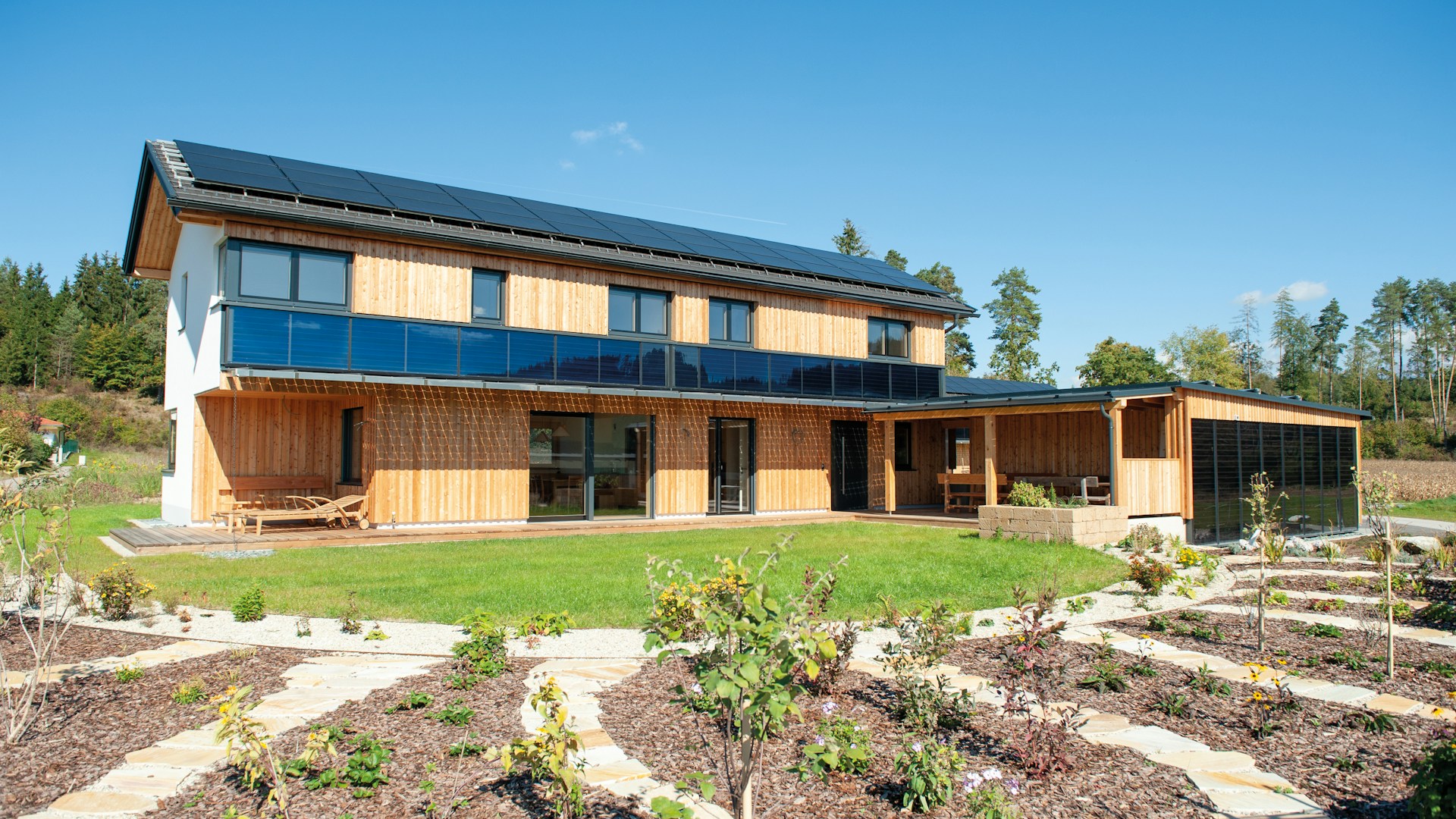
Table of Contents
Building a sustainable house is more than just a trend; it’s an essential shift towards a healthier planet. If you’re considering constructing a new home or retrofitting an existing one, your choices matter. Sustainable homes save money, lower carbon footprints, and are healthier for inhabitants. Here’s how to navigate the path to creating a sustainable living space.
Our Pick: Start with Green Flooring
When planning your home, investing in eco-friendly flooring is crucial. Bamboo flooring is a top choice. It’s renowned for both durability and sustainability. You can expect to pay approximately $3 to $6 per square foot for quality bamboo flooring, like the brands from USFloors or Ambient. Bamboo is a renewable resource and has a rapid growth cycle, making it an excellent alternative to hardwood.
Core Steps to Building a Sustainable House
1. Site Selection
Before you even think about materials or design, focus on the location. Choose a site that minimizes environmental impact. Look for land that doesn’t disrupt local ecosystems and has easy access to public transportation. If you’re building in an urban area, try to use previously developed sites, which helps reduce urban sprawl.
Who this is for: Homebuyers seeking to minimize environmental impact.
Who should skip this: If you are set on rural land without considerations for ecosystems.
2. Energy-Efficient Design
An energy-efficient design is fundamental. Features like large south-facing windows allow for passive solar heating — making use of the sun’s energy to warm your home. Consider a home design that utilizes natural ventilation techniques to reduce reliance on heating and cooling systems.
Key Features:
- Insulation: Look for recycled materials like cellulose or sheep’s wool. Costs vary but expect to invest around $0.50 to $2 per square foot for these materials.
- Windows: Double or triple-glazed windows greatly improve energy efficiency. Andersen and Pella offer great options starting at about $300 each.
3. Eco-Friendly Building Materials
Choosing sustainable building materials is where you can make a significant difference. Here are solid options:
- Bamboo: Ideal for flooring, cabinetry, and even structural elements due to its strength and renewability.
- Recycled Steel and Wood: Consider using steel framing and reclaimed wood for framing to lower the carbon footprint. Reclaimed wood can cost you about $10 to $15 per square foot.
- Low VOC Paints and Sealants: These improve air quality and are better for the environment. Brands like Benjamin Moore and Sherwin-Williams produce eco-friendly options starting at $35 per gallon.
4. Water Management Systems
Sustainable homes also feature efficient water management. Consider installing rainwater harvesting systems and greywater recycling systems to reuse water in toilets and garden irrigation.
Estimated Costs:
- Rainwater Harvesting System: Around $1,500 to $3,000, depending on complexity.
- Greywater System Installation: Expect costs between $1,000 and $2,000.
5. Renewable Energy Solutions
Don’t forget about energy generation. Solar panels are increasingly affordable and can drastically cut your energy bills. An average system might cost between $15,000 and $25,000; however, tax incentives can cover up to 26% of installation costs.
6. Landscaping for Sustainability
Choose native plant species that require less water and are more resilient to local climate conditions. Incorporating a small vegetable garden can enhance your food independence too.
Comparison Table
| Feature | Eco-Friendly Option | Traditional Option |
|---|---|---|
| Flooring | Bamboo ($3-$6/sq ft) | Hardwood ($5-$15/sq ft) |
| Insulation | Recycled Cellulose ($0.50-$2/sq ft) | Fiberglass ($0.40-$1/sq ft) |
| Windows | Double Glazed ($300+) | Single Glazed ($200+) |
| Water Management System | Rainwater ($1,500-$3,000) | None |
| Renewable Energy | Solar Panels ($15k-$25k) | None |
Bottom Line
Building a sustainable house is a forward-thinking investment that benefits you and the planet. From the initial design choices to the final construction, prioritizing eco-friendly materials and practices is essential for creating a functioning green home.
Final Thoughts
When aiming to build a sustainable house, it’s about more than personal savings; it’s about protecting our planet. Make smart choices in every aspect, from site selection to material usage. Your home can be both beautiful and responsible, an example of what living sustainably looks like.
Who should NOT buy this: If you’re looking for the cheapest possible construction without regard for environmental impact, this approach won’t work for you. Sustainable living comes with initial costs that can be higher than traditional methods, but the long-term benefits far outweigh them.
By focusing on sustainable practices, every step of your building process can nurture both your family and the Earth, paving the way for a greener future.