How to Use Sourdough Starter to Make Bread
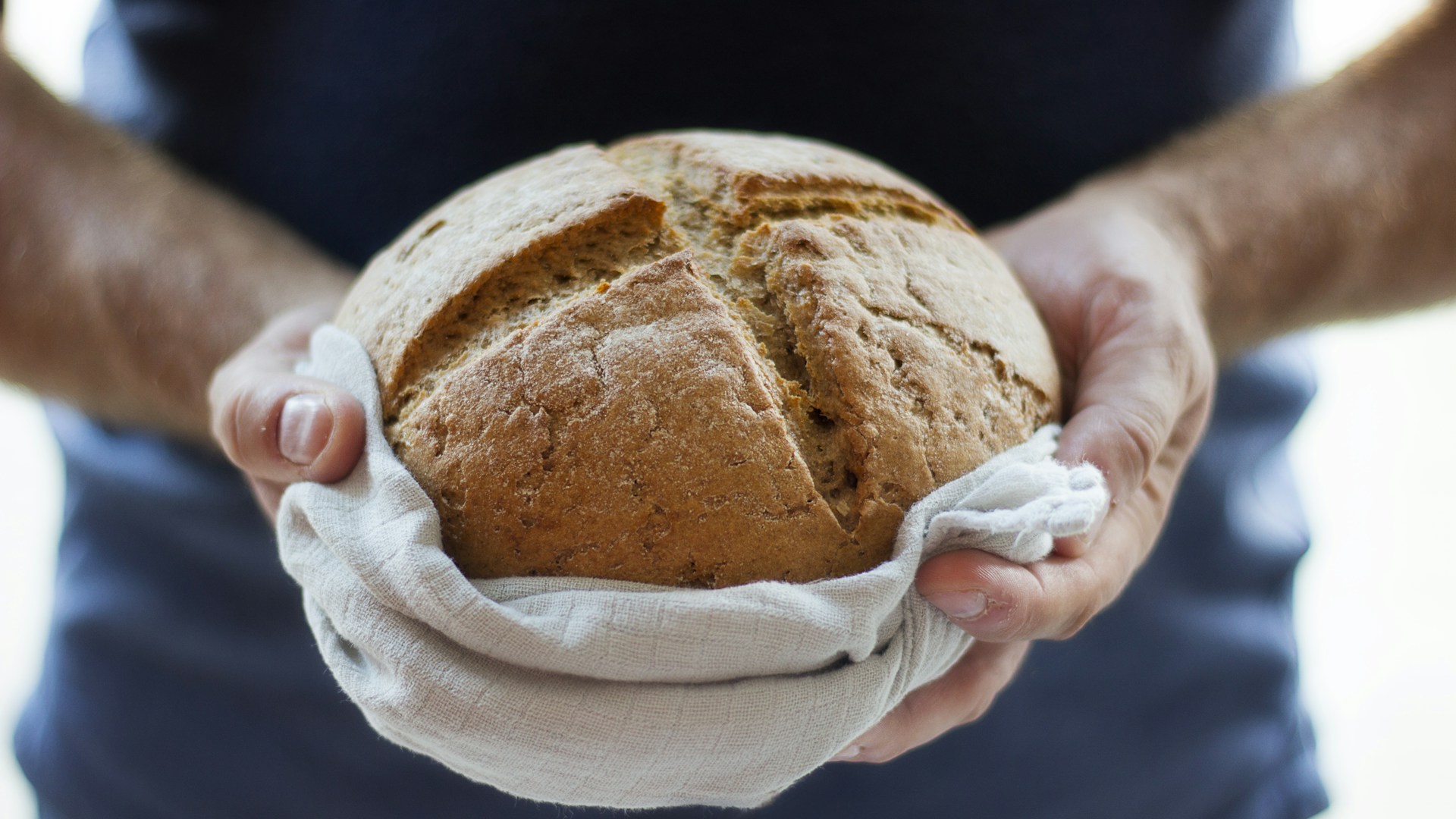
Table of Contents
Sourdough bread is not just a culinary delight but also a sustainability champion. By using a sourdough starter, you can create tangy, crusty loaves that require minimal ingredients, reducing your reliance on commercial yeast and packaging. If you’ve typed “how to use sourdough starter to make bread” into Google, you’re in the right place. Let’s delve deep into the practicalities of transforming that starter into delicious bread.
Bottom Line: Sourdough Starter is Your Best Bet for Authentic Bread
Using a sourdough starter offers multiple advantages over traditional bread-making methods. The taste is richer, the texture is incomparable, and it allows for a more sustainable cooking practice. If you’re keen to bake bread that’s not only satisfying but also eco-friendly, a sourdough starter is your best bet.
What You’ll Need
Before we dive into the steps for making your sourdough bread, let’s gather our materials:
-
Sourdough Starter:
- You can buy a starter online or from local bakeries for around $10-$20, or make your own. Homemade starters are more sustainable since they skip shipping and packaging.
-
Ingredients:
- 500g of all-purpose flour (approximately $2-$4)
- 350ml of lukewarm water (free from your tap)
- 100g of active sourdough starter
- 10g of salt ($0.50-$0.75)
Step-by-Step Guide
Now that you’ve gathered your ingredients, here’s how to use your sourdough starter for making bread:
1. Prepare the Levain
- 1-2 hours before mixing: Combine 100g of your sourdough starter with 100g flour and 100ml lukewarm water in a bowl. Let it sit until it becomes bubbly and doubles in size. This mixture is known as ‘levain’.
2. Mix the Dough
- In a large bowl, combine 500g of flour and 350ml of lukewarm water. Mix until no dry flour is visible. This initial mix allows the flour to absorb water, activating enzymes.
3. Add the Levain and Salt
- Once the dough has rested for 30 minutes, mix in the levain and 10g of salt until fully incorporated. This is essential for flavor and fermentation.
4. Bulk Fermentation
- Cover the bowl with a damp cloth and let it rise for about 4-6 hours at room temperature (ideally 75°F-80°F). During this period, perform stretch and folds every 30 minutes, which strengthens the dough structure.
5. Shape the Dough
- After bulk fermentation, gently tip the dough onto a lightly floured surface. Shape it into a round or oval loaf. Cover it and allow it to proof for about 1-2 hours.
6. Preheat the Oven
- About 30 minutes before baking, preheat your oven to 450°F (232°C). If you have a Dutch oven, place it in the oven to heat up; this creates steam that helps the bread rise.
7. Bake the Bread
- Carefully transfer the dough into the hot Dutch oven (don’t forget the oven mitts!). You can slash the top with a sharp knife for a better rise. Cover and bake for 30 minutes, then remove the lid and bake for another 15-20 minutes until golden brown.
8. Cool and Enjoy
- Once baked, transfer your bread to a wire rack to cool. Resist the temptation to slice it immediately; let it cool for at least an hour to finish the baking process.
Tips for Best Results
- Hydration Levels: Keeping your dough hydrated can produce a lighter loaf, so feel free to adjust water levels.
- Ambient Temperature: The fermentation rate is influenced by room temperature. On chilly days, it may take longer for dough to rise.
- Flour Types: Consider using whole grain flours or different types of wheat for varied flavor profiles.
Who This is For
Making sourdough bread is perfect for home bakers who:
- Want to explore the art of bread-making and are open to experimentation.
- Are interested in sustainability and wish to reduce food waste by reusing a starter.
- Enjoy the rich flavor and unique texture that comes from naturally fermented bread.
Who Should Skip This
While sourdough baking is rewarding, it may not be for you if:
- You’re impatient or expect a quick solution. Sourdough requires time and care.
- You prefer store-bought bread for its convenience, as homemade can be more time-intensive.
- You are not interested in the fermentation process; the smell and patience required might be a turn-off.
Final Thoughts
Baking with sourdough starter is a delightful and fulfilling endeavor that can lead to deliciously unique breads. Instead of relying on quick-rise options, embrace the slow fermentation process that enhances flavors and supports sustainable living. So, gather your ingredients and embark on this baking journey.
Invest in a quality sourdough starter, set aside some time, and soon you’ll be pulling golden loaves from your oven, perfectly crusty and bursting with flavor. Happy baking!