The Best Plastic-Free Home Coffee Makers: A Buying Guide
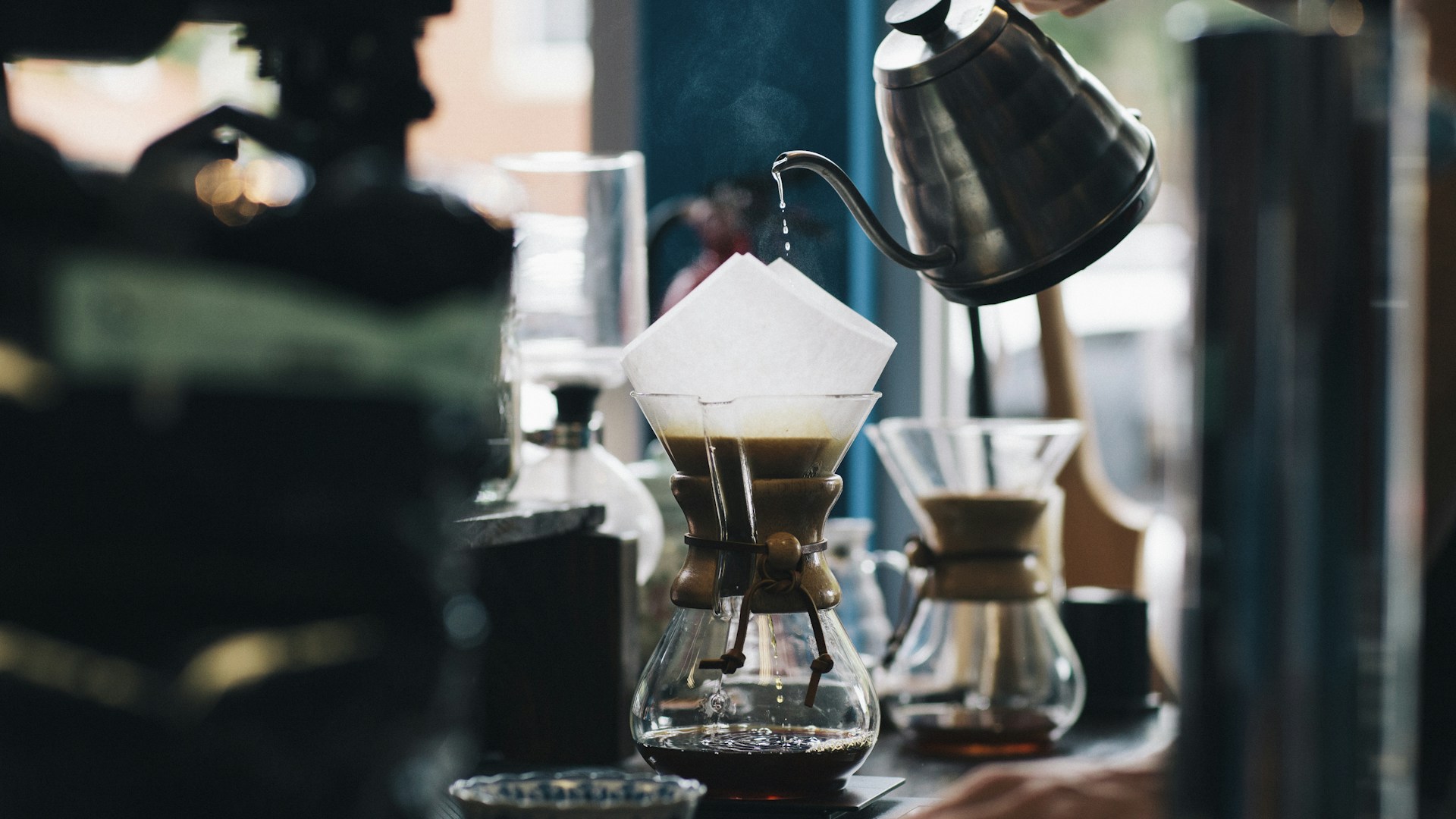
Table of Contents
When it comes to brewing a great cup of coffee at home, going plastic-free can be a game changer for those committed to sustainable living. Not only does this reduce waste, but it also helps you avoid harmful chemicals leaching into your precious brew. With numerous options available, the key is finding the right coffee maker that suits your needs without compromising on taste or convenience.
Here’s your guide to the best plastic-free home coffee makers that blend functionality with eco-friendliness.
Quick Picks
- Best Overall: Bodum Brazil French Press — $25–$35
- Best Budget: Enamel Coffee Percolator — $20–$30
- Best for Espresso Lovers: Bialetti Moka Express — $35–$50
What to Look For
1. Material Composition
Prioritize coffee makers made with stainless steel, glass, or ceramic. These materials do not leach chemicals into your coffee and are typically more durable than plastic alternatives. Stainless steel is fantastic for heat retention and longevity, while glass offers a pure taste experience.
2. Ease of Use and Cleaning
Consider how simple the coffee maker is to operate and clean. Models that disassemble easily can help you maintain hygiene, which is critical for coffee flavor. A machine that’s dishwasher-safe can be a big plus, though hand washing is often recommended to protect materials.
3. Brew Style
Different coffee makers cater to different brewing styles. French presses create a rich, full-bodied cup, while pour-over or drip coffee makers offer a cleaner taste. Knowing your preferred brewing method will guide you in selecting an ideal option.
4. Size and Capacity
Think about how much coffee you typically brew at one time. Are you brewing single cups, or do you often entertain guests? Opting for a coffee maker with the right capacity ensures you can enjoy your coffee without waste.
5. Price vs. Quality
While there are high-end options available, many plastic-free coffee makers offer great performance at a reasonable price. Steer clear of brands that are overhyped with minimalist designs but underperform in function or durability.
Our Top Picks
1. Bodum Brazil French Press
- Price Range: $25–$35
- Why It Won: The Bodum Brazil is an iconic French press made entirely from durable glass and stainless steel. It brews flavorful coffee with minimal effort.
- Who It’s For: Ideal for those who appreciate a full-bodied coffee experience and desire an affordable, stylish product.
- Drawback: Requires manual effort and precise timing to prevent over-extraction.
2. Enamel Coffee Percolator
- Price Range: $20–$30
- Why It Won: Affordable and durable, this enamel-coated percolator not only looks great but also delivers robust coffee. It’s suitable for stovetop brewing, making it perfect for home or camping.
- Who It’s For: Budget-conscious consumers and outdoor enthusiasts.
- Drawback: May not provide the nuanced flavor profile of a French press or pour-over method.
3. Bialetti Moka Express
- Price Range: $35–$50
- Why It Won: Known for making strong, espresso-like coffee quickly, the Bialetti is a staple in many kitchens. Constructed from aluminum, it’s lightweight and easy to clean, though it’s best to hand wash.
- Who It’s For: Espresso lovers who want an authentic Italian coffee experience at home.
- Drawback: Requires a bit of practice to perfect the brewing process; may not suit those who dislike strong coffee.
What to Avoid / Red Flags
-
Plastic Parts: Any coffee maker with plastic components, especially those in direct contact with hot water, should be avoided. Look for those certified as BPA-free, but opting for metal and glass is generally a safer choice.
-
Complicated Cleaning Processes: If the product description mentions challenging disassembly or hard-to-reach areas, think twice. A coffee maker’s cleaning routine shouldn’t deter you from daily use.
-
Lack of Warranty: Durable coffee makers are an investment. Products that do not come with a warranty might indicate lower quality and reliability.
FAQ
1. What is a plastic-free coffee maker? A plastic-free coffee maker is one that is constructed without any plastic components, typically being made from materials like glass, stainless steel, or ceramic, ensuring that no harmful chemicals leach into your coffee.
2. Are plastic-free coffee makers more expensive? While there are high-end models, many plastic-free coffee makers are competitively priced. For instance, the Bodum Brazil offers excellent value without compromising quality, typically at lower prices than plastic-made alternatives.
3. How do I clean my plastic-free coffee maker? Cleaning methods depend on the coffee maker type. For most, a simple wash with warm, soapy water is sufficient, though some models are dishwasher safe. Regular cleaning prevents coffee oils from building up and affecting flavor.
4. Can I use a plastic-free coffee maker for espresso? Yes, several options like the Bialetti Moka Express are designed specifically for espresso or espresso-like coffee. Ensure you know your desired brew type before choosing.
5. Will my coffee taste different from plastic alternatives? Absolutely. Many users report a cleaner, more authentic taste from coffee brewed in glass or stainless steel makers compared to those made of plastic.
In your hunt for the best plastic-free coffee maker, consider what factors are most important for your lifestyle and palate. By choosing wisely, you can enjoy your coffee guilt-free while supporting a more sustainable lifestyle.