The Ultimate Buying Guide to Compostable Items
Table of Contents
Finding compostable items that align with your sustainable living goals can feel overwhelming. With so many products on the market, it’s crucial to know which ones are genuinely effective and eco-friendly. This guide cuts through the noise to reveal the top compostable products, along with their real impact, cost considerations, and potential drawbacks.
Quick Picks
- Best Overall: BioBag Compostable Bags ($10 - $25 for a roll)
- Best Budget: Repurpose Compostable Cutlery ($5 - $10 for a pack of 50)
- Best for Food Storage: If You Care Compostable Sandwich Bags ($8 - $12 for a box)
What to Look For
-
Material Composition
- Look for items made from natural materials like cornstarch or bamboo. Products labeled as “biodegradable” can be misleading and may not fully decompose. Compostable items should break down into organic matter within a specific time frame when added to a compost pile.
-
Certification
- Seek certifications like ASTM D6400 or EN13432, which ensure that items meet compostability standards. This means they can break down effectively in commercial composting facilities, helping ensure your efforts translate into positive environmental impact.
-
Usage Convenience
- Consider how easy the product is to use in your daily life. While some compostable items provide sustainable benefits, if they aren’t convenient, you might not stick with them. The easier they fit into your routine, the more likely you are to use them effectively.
-
Cost-Effectiveness
- Compare the price of compostable items to their conventional counterparts. Some compostable products can be overpriced because they are labeled “green.” Assess whether the performance justifies the price, especially if you’re looking to make bulk purchases.
-
End-of-Life Considerations
- Understand each item’s disposal process. Even the best compostable products need the right conditions to decompose. Assess whether your local compost services can properly process these items to maximize your eco-friendly efforts.
Our Top Picks
1. BioBag Compostable Bags
- Price Range: $10 - $25 for a roll
- Why It Won: These bags have widespread acclaim for being sturdy and actually compostable. You’ll find that they break down effectively in commercial settings.
- Who It’s For: Ideal for eco-conscious consumers who want a reliable kitchen waste solution.
- One Drawback: The cost can be higher compared to standard garbage bags, but the environmental impact may justify this.
2. Repurpose Compostable Cutlery
- Price Range: $5 - $10 for a pack of 50
- Why It Won: Made from renewable resources, this cutlery is sturdy and perfect for parties or picnics. They also won’t leach chemicals into your food.
- Who It’s For: Great for those often hosting events or who prefer taking meals on the go.
- One Drawback: While convenient, they are less sturdy than traditional plastic utensils.
3. If You Care Compostable Sandwich Bags
- Price Range: $8 - $12 for a box
- Why It Won: These bags are an eco-friendly alternative for food storage, made from unbleached paper. They’re designed to decompose and integrate back into the natural environment effectively.
- Who It’s For: Suitable for environmentally conscious families seeking sustainable lunch options.
- One Drawback: They can be pricier compared to regular plastic bags, deterring budget-conscious buyers.
What to Avoid / Red Flags
- Vague Claims: Steer clear of products that state “biodegradable” without specific certifications or composting guidelines. Biodegradable does not always mean compostable; many items break down into microplastics in landfills.
- High Prices with Little Value: Some brands market themselves as premium, yet their performance may not differ significantly from cheaper alternatives. Look for independent reviews to validate your choice.
- Unsuitable for Home Composting: Not all compostable products can break down at home. Ensure products are suitable for your specific composting method to be truly sustainable.
FAQ
1. How long does it take for compostable items to decompose?
- Compostable items can take anywhere from 90 to 180 days to break down entirely in ideal composting conditions.
2. Can I put compostable items in my home compost bin?
- Yes, if the items are labeled food-safe compostable and you have the right conditions (heat, moisture, and aeration). Check the packaging for specific guidelines.
3. Are compostable items more expensive than non-compostable options?
- Generally, yes. However, prices can vary significantly. Assess the cost-benefit ratio based on your usage and disposal methods.
4. What’s the difference between biodegradable and compostable?
- Biodegradable items break down over time but do not necessarily turn into nutrient-rich soil, while compostable items are designed to turn into compost in a specific environment.
5. Can I recycle compostable products?
- Most compostable items cannot be recycled with traditional recyclables. Instead, they should be taken to a compost facility or added to a suitable home composting system.
Integrating compostable items into your home can reduce waste and support a healthier planet. By choosing wisely and being an informed consumer, you contribute to a more sustainable future. So whether you’re trying to green your kitchen or planning an eco-friendly event, selecting quality compostable products can make a real difference.
Recommended Products
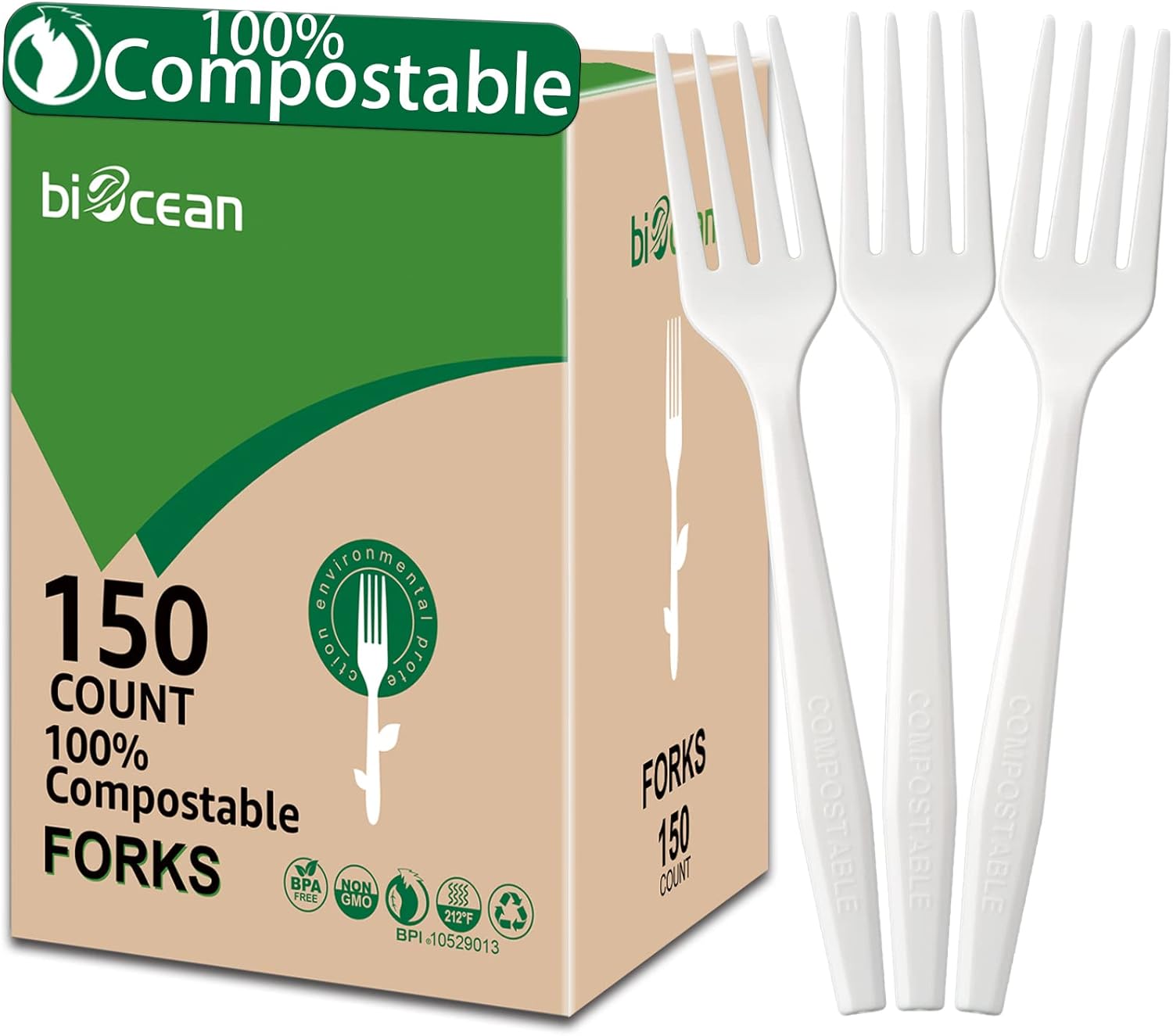
100% Compostable No Plastic Knives Forks Spoons Utensils, The Heavyweight Heavy Duty Flatware is Eco Friendly Products for Lounge Party Wedding BBQ Picnic Camping.
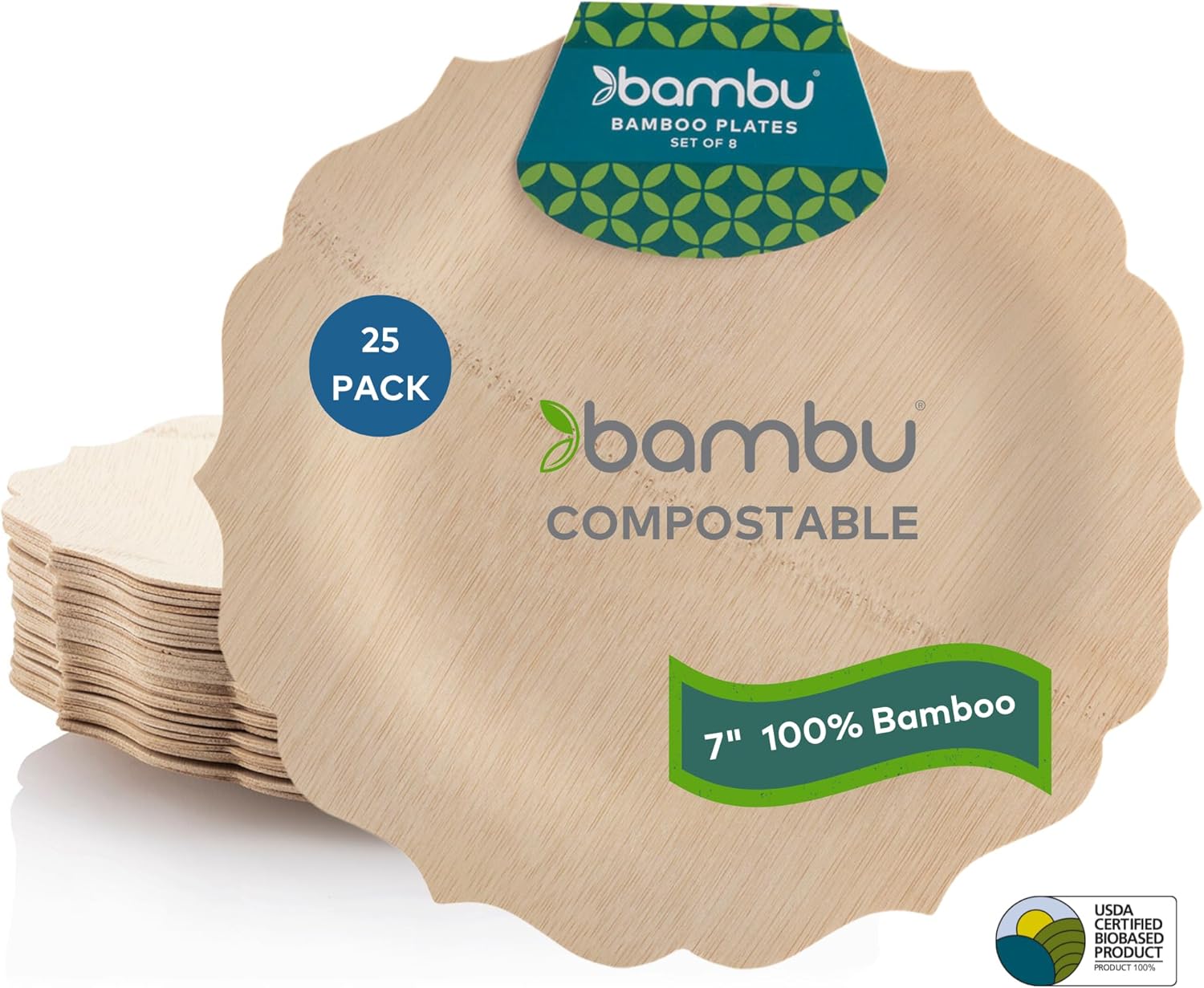
Bambu Pack of 25-7 Inch Disposable Bamboo Plates Fancy, Biodegradable Eco Friendly Products, Bamboo Disposable Plates for Party, Weddings, and Events, Great For Any Occasion, Compostable Plates
