Using Sourdough Starter for the First Time: A Beginner's Guide
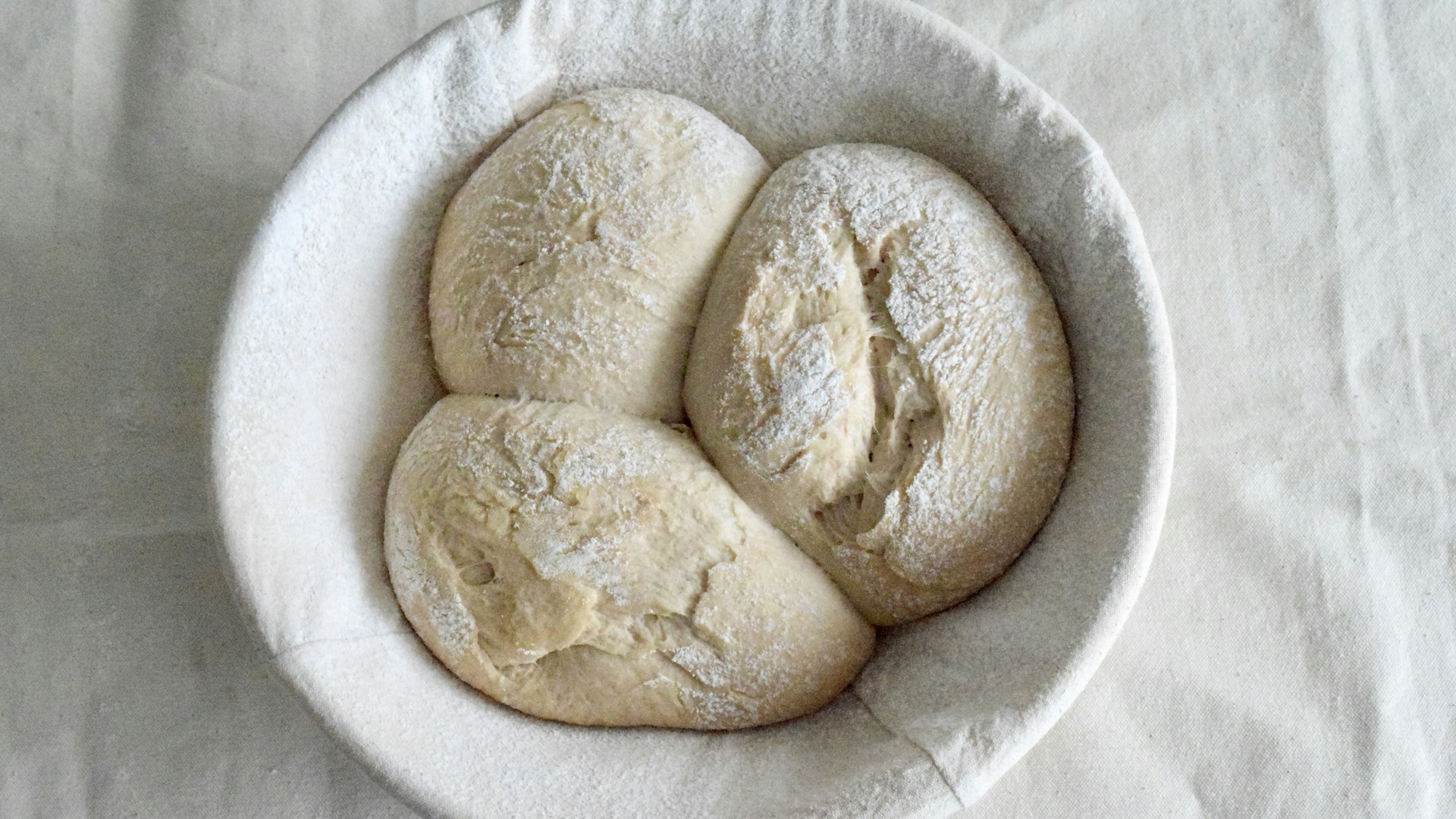
Table of Contents
Baking with sourdough starter can be one of the most rewarding experiences in the kitchen, especially if you value sustainable cooking practices. If you’re trying sourdough for the first time, here’s the bottom line: Start with a reliable, well-maintained sourdough starter—and you can create delicious, tangy loaves with minimal effort. My top pick for beginners is the King Arthur Baking Company’s Sourdough Starter, available for around $9. This high-quality starter is consistently praised for its ability to bring great flavor to your bread.
Preparing for Your First Sourdough Experience
What You Need
Before you can indulge in the heavenly aroma of freshly baked sourdough, you need a few essential items:
-
Sourdough Starter: As mentioned, I recommend the King Arthur Baking Company’s Sourdough Starter. It’s easy to use and provides excellent results for beginners.
-
Flour: Look for high-quality, organic flour. I advise using King Arthur Unbleached All-Purpose Flour, which costs about $6 for a 5-lb bag.
-
Water: Use filtered or spring water, as chlorinated tap water can affect the fermentation process.
-
Mixing Bowl: A large glass or plastic bowl will work best.
-
Kitchen Scale: If you want precise measurements, a scale is crucial for sourdough baking. You can find decent digital scales for about $15.
-
Dutch Oven or Baking Stone: While optional, a Dutch oven (like the Lodge 5-Quart Enameled Cast Iron Dutch Oven for around $70) is fantastic for creating steam during baking, which is essential for a good crust.
Step-by-Step Instructions
Step 1: Feed Your Starter
If you’re using a dry starter, rehydrate it a day before baking. Mix equal parts flour and water (around 1/2 cup of each), and add your dry starter. Leave it at room temperature for 8-12 hours until it’s bubbly and active—this is the “feeding” that wakes it up.
If you already have a refrigerating starter, just take it out and feed it the same way 4-6 hours before you’re ready to bake.
Step 2: Prepare Your Dough
Once your starter is activated, it’s time to mix your dough. In a large bowl, combine:
- 1 cup of active sourdough starter
- 1 1/2 cups of filtered water
- 4 cups of organic all-purpose flour
- 1 1/2 teaspoons of salt
Mix until a shaggy dough forms, then cover the bowl with a damp cloth and let it rest for about 30 minutes.
Step 3: Knead and Ferment
After the resting period, knead the dough for about 10 minutes until it becomes smooth and elastic. You can also opt for the no-knead method by stretching and folding the dough in the bowl every 30 minutes, repeating for about 4 hours.
Step 4: Shape Your Dough
Once the dough has risen to nearly double its size, turn it out onto a lightly floured surface. Shape it into a round or oblong loaf and let it rest for another 30 minutes.
Step 5: The Final Rise
Place the shaped dough in a well-floured proofing basket or bowl and cover it. Let it rise for 2-4 hours at room temperature, or overnight in the refrigerator for a more complex flavor.
Step 6: Bake Your Sourdough
Preheat your oven to 450°F (232°C) for at least 30 minutes. If you’re using a Dutch oven, place it in the oven during this time to heat up.
When ready to bake, carefully transfer your dough to the Dutch oven (you can score the top with a sharp knife for a beautiful finish) and cover with the lid. Bake for 30 minutes covered, then an additional 15-20 minutes uncovered until golden brown and crusty.
Step 7: Cool and Enjoy!
Allow your bread to cool on a wire rack for at least an hour before slicing. This is crucial as it enhances the crumb structure.
Who This Is For
- Beginner Bakers: If you’ve never baked bread before, sourdough is an excellent starting point. The process is forgiving, and you can improve with each attempt.
- Anyone Interested in Sustainable Cooking: If you want to embrace a more eco-friendly lifestyle, making sourdough reduces reliance on store-bought bread, which often comes with plastic packaging.
Who Should Skip This
- People Who Prefer Instant Results: Sourdough baking requires time and patience. If you want quick, instant gratification, a traditional yeast bread might be better for you.
- Individuals With Tight Schedules: The process can take a whole day or more, especially with starters needing time to ferment and rise.
Final Thoughts
Using sourdough starter for the first time may seem daunting, but it’s genuinely rewarding. You get to enjoy artisan-quality bread in your home. Start with a good quality starter like the King Arthur Baking Company’s option, and follow these simple steps. You’ll soon be baking sourdough that impresses everyone—from friends to family.
Now, roll up your sleeves and give it a go! Your kitchen is waiting for that inviting aroma of fresh sourdough bread.