BMS vs Home Automation: Which is Better for Eco-Friendly Living?
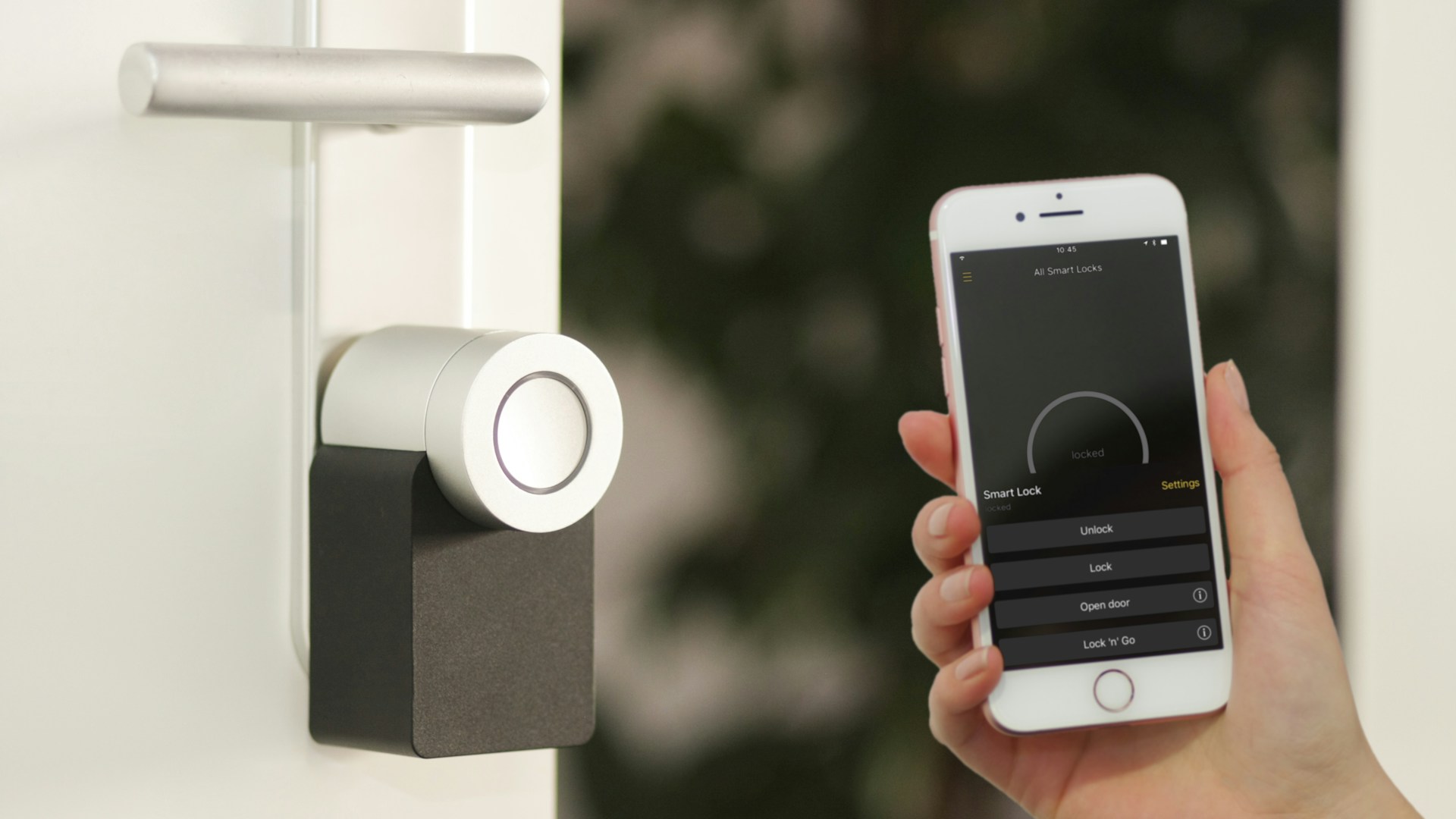
Table of Contents
When it comes to creating a sustainable and eco-friendly living space, understanding the differences between Building Management Systems (BMS) and Home Automation is crucial. Simply put, Home Automation takes the cake for personal, eco-conscious households, whereas BMS shines in larger commercial settings. Let’s break this down for eco-focused consumers and homeowners, highlighting which option is best suited for your specific needs.
Bottom Line: Our Pick
Home Automation is better than BMS for eco-friendly living in a residential context. Here’s why:
- Easier Integration: Home Automation products are designed for user-friendly installation and seamless integration with smart home devices.
- Cost-Effectiveness: Options range from budget-friendly to premium, making them accessible for various financial situations.
- Focus on Sustainability: Home Automation emphasizes energy efficiency through smart controls, helping manage resources effectively.
Overview of BMS vs Home Automation
| Feature | Building Management Systems (BMS) | Home Automation |
|---|---|---|
| Target Users | Commercial buildings, large facilities | Individual homeowners |
| Integration Complexity | High | Low to moderate |
| Cost | Usually high-cost (starting from $20,000+) | Affordable options (starting from $50-$100) |
| Energy Management Capability | Advanced (HVAC, lighting systems) | Basic (smart bulbs, plugs) |
| User Customization | Limited | High |
| Installation | Professional required | DIY-friendly |
Detailed Features to Consider
Building Management Systems (BMS) are sophisticated frameworks primarily designed for large facilities to centralize control over HVAC, lighting, and security systems. Commercial property managers use BMS to monitor systems in real-time, optimize energy consumption, and reduce overhead costs. Typical prices start at around $20,000 for basic setups and skyrocket based on complexity.
Home Automation, on the other hand, targets individual consumers looking to create a smart home. Models like Google Nest, Philips Hue, or Amazon Echo allow you to control lighting, appliances, and even entire rooms via your smartphone, often for as little as $50. Here are some popular smart home devices to consider:
-
Google Nest Learning Thermostat - Approximately $250: This smart thermostat learns your habits and adjusts your home’s heating and cooling to save energy.
-
Philips Hue Smart Bulbs - Starting at $15 per bulb: These allow for customization of brightness and color while being exceptionally energy-efficient.
-
Amazon Echo - Starting at $99: Functions as a hub for all your smart devices, allowing voice control and automation.
Real-World Scenarios
-
If you’re a freelancer working from home: Utilizing Home Automation can help enhance productivity. Smart lights that adjust based on the time of day or smart thermostats that optimize temperature can make your workspace much more comfortable while saving energy.
-
If you manage a commercial property: You likely need a BMS. The complexity and costs are justified when managing multiple HVAC systems, extensive lighting networks, and security. With a BMS, you can monitor energy usage across a large building, making it vital for sustainability initiatives at scale.
Who Should Consider BMS?
- Property managers who need to integrate multiple systems across large facilities.
- Organizations focused on maximizing energy efficiency using advanced monitoring and control systems.
- Industries that operate under strict regulatory compliance that requires centralized control.
Who Should Skip This?
- Homeowners or renters looking for simple, effective solutions for smart home living.
- Individuals on a budget who want immediate benefits from energy-efficient devices without substantial investment.
- Tech-savvy customers wanting to customize their living space with a variety of smart devices.
Real Drawbacks to Consider
Both BMS and Home Automation come with their drawbacks, and understanding these is crucial:
-
BMS requires a significant upfront investment, often involving professional installation and ongoing maintenance. This cost can be prohibitive for smaller businesses or single property managers.
-
Home Automation can lead to compatibility issues. Not all devices communicate well with each other, and you’ll want to ensure that your selected devices work together seamlessly.
-
Security concerns: Some smart devices can be vulnerable to hacking if not properly secured, meaning maintenance of security protocols is a must.
Final Scoop
If you’re an eco-conscious homeowner or a renter looking to reduce your footprint and optimize home efficiency, go with Home Automation. Not only is it cost-effective, but it also provides flexibility, extensive control, and a substantial return on your investment regarding energy savings. Consider investing in products like the Google Nest Learning Thermostat or Philips Hue Smart Bulbs that can quickly enhance your living environment’s sustainability.
In contrast, if you’re managing a larger facility that requires sophisticated energy management, BMS is the tool for you. However, keep in mind the significant financial commitment and complexity involved.
Ultimately, your choice will revolve around your specific needs and priorities, but for the eco-friendly individual looking to enhance home sustainability without breaking the bank, Home Automation is the clear winner.