Plastic-Free Kitchen Storage in 2026: The Complete Switching Guide
Table of Contents
The average kitchen contains 30 to 50 plastic food storage items. Most of them leach trace compounds into food when heated. Some contain BPA or BPA substitutes that behave similarly in the body. And at the end of their life, most go to landfill — flexible plastics are rarely accepted by curbside recycling.
Switching to plastic-free storage doesn’t require buying everything at once, and it doesn’t have to cost more in the long run. This guide walks through a practical approach: what to replace first, what performs best in real kitchen use, and what the actual cost difference looks like over five years.
Why Plastic Storage Is Worth Replacing
[!eco] A single set of glass food containers used for 10 years prevents an estimated 50–100 plastic containers from reaching landfill. Glass is infinitely recyclable. The energy cost of producing borosilicate glass is offset within 18–24 months of use compared to single-use plastic alternatives.
Beyond the environmental case, there are immediate practical reasons:
- Staining and odors. Plastic absorbs curry, tomato sauce, and garlic at the molecular level. Glass doesn’t.
- Safety at temperature. Borosilicate glass can go from freezer to oven without cracking. Most plastics cannot safely be microwaved or heated.
- Visibility. Glass containers let you see what’s inside without opening them. This alone reduces food waste for a lot of households.
What to Replace First
Not everything needs replacing on day one. Prioritize by frequency of use and risk profile:
Replace immediately:
- Containers you heat food in (microwave or oven)
- Containers holding acidic foods (tomato-based sauces, citrus, pickles)
- Worn containers with scratches — scratches accelerate leaching
Replace on natural wear-out:
- Zip-lock bags used for dry goods at room temperature
- Plastic wrap (replace with beeswax wrap as you run out)
- Large rarely-used storage bins
Glass Containers: The Backbone
Pyrex and anchor-brand borosilicate glass sets have been the benchmark for decades for good reason. The glass itself is inert — it won’t absorb flavors, won’t discolor, and won’t leach. The weak point in any glass container set is the lid: most lids are still plastic or silicone. For storage purposes, this is acceptable — the lid isn’t in contact with food and isn’t being heated. If you want a fully glass solution, look for containers with glass lids and rubber gaskets.
[!pros]
- Completely inert — no flavor transfer, no leaching, no staining
- Oven, microwave, freezer, dishwasher safe (borosilicate)
- Lasts decades; can be recycled at end of life
[!cons]
- Heavier than plastic — practical for adults, less so for kids’ lunchboxes
- Breakable — not ideal if you’re clumsy or have tile floors
- Upfront cost is 2–3× plastic equivalents (but lasts 10× longer)
What Size Set Do You Actually Need?
For a two-person household: 3–4 containers in the 2–4 cup range, 2 containers in the 6–8 cup range, 2 small (under 1 cup) for sauces and dips. The 18-piece Pyrex set covers all of this with room to spare.
Beeswax Wraps: Replacing Plastic Wrap
Plastic wrap is used once and thrown away. Beeswax wraps are washable, last 12–18 months with regular use, and biodegrade at end of life. The technique is slightly different: you use the warmth of your hands to mold the wrap around produce or over a bowl. It takes about three uses to get comfortable with it.
What beeswax wrap does well: wrapping cheese, covering half an avocado, keeping cut produce fresh, sealing a bowl in the fridge. What it doesn’t do well: wrapping raw meat (hygiene concern — use a glass container instead), anything that needs a hermetic seal, microwave use.
Bee’s Wrap is the category leader, made with certified organic cotton and sustainably sourced beeswax. The 3-pack assorted size covers most kitchen needs.
Stainless Steel for Dry Goods
Glass is perfect for refrigerator storage. For pantry dry goods — flour, coffee, grains, pasta — stainless steel canisters are often a better choice. They’re lighter, unbreakable, and stack more predictably than glass jars.
The OXO POP containers have become a standard because the push-button airtight mechanism actually works consistently. The lids are BPA-free plastic, but they’re not in contact with food. The modular sizing means they can be configured to fit almost any pantry shelf.
The Real Cost Comparison
| Item | Plastic (annual replacement) | Glass/Alternative (10-year cost) |
|---|---|---|
| Food containers (12-piece) | $12/yr × 10 = $120 | $45 once |
| Plastic wrap (1 roll/month) | $40/yr × 10 = $400 | Beeswax: $20/yr × 10 = $200 |
| Zip bags (50/box, 2 boxes/yr) | $20/yr × 10 = $200 | Reusable: $30 once |
Over 10 years, a complete plastic-free switch pays for itself and then some. The upfront investment is higher; the long-term cost is lower.
Getting Started Without Overwhelm
The easiest approach: make one swap per month. Month one, replace your most-used plastic containers with a glass set. Month two, swap plastic wrap for beeswax. Month three, switch zip bags for reusable silicone bags. By month four your kitchen is effectively plastic-free for food storage with minimal outlay and zero disruption to your routines.
Recommended Products
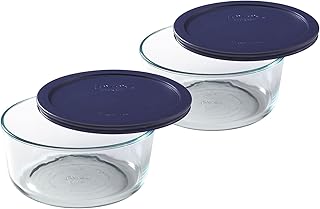
Pyrex Simply Store Glass Container Set (18-Piece)
Best Value SetBorosilicate glass with BPA-free lids. Oven, microwave, freezer, and dishwasher safe. The standard for a reason.

Bee's Wrap Reusable Beeswax Wrap (3-Pack Assorted)
Certified OrganicOrganic cotton infused with beeswax, tree resin, and coconut oil. Replaces plastic wrap for cheese, produce, and bowls.

OXO Good Grips Stainless Steel POP Container Set
Best for Dry GoodsAirtight stainless canisters with push-button lids. Ideal for dry goods. Modular design stacks cleanly in any pantry.